
Row rect Shape Decorative svg added to bottom
bible page on gray concrete surface

The Bible Has Something to Say

About Your OCD

Does the Bible really talk about obsessive-compulsive disorder? The Word on OCD helps Christians see how familiar Scriptures address obsessive thoughts, control, and anxiety in powerful, practical ways. Drawing from personal experience and deep biblical insight, D. Robert Johnson shows how faith and therapy work together—not in conflict—to bring clarity, hope, and renewed confidence in God’s Word throughout the journey of recovery.
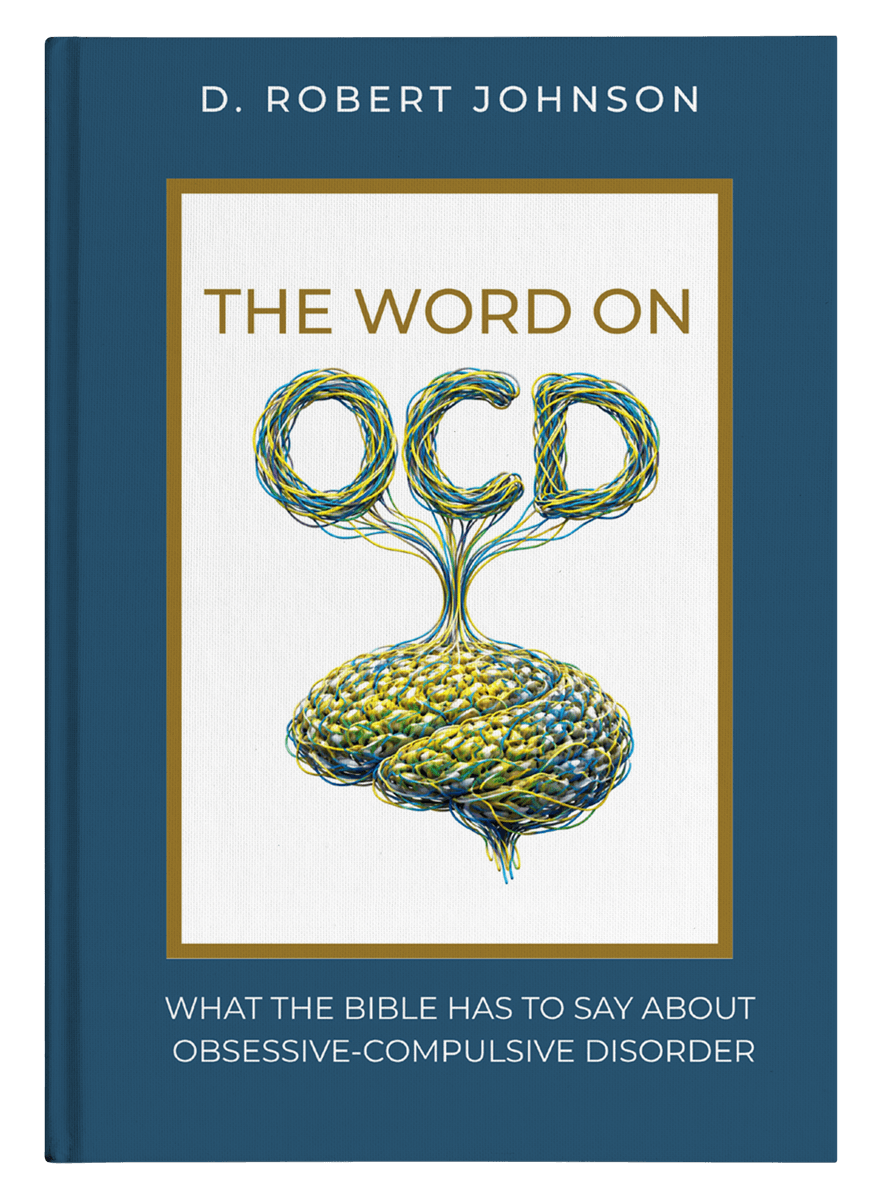
The Word on OCD - What the Bible has to say about obsessive-compulsive disorder by D. Robert Johnson

About The Word on OCD

Many Christians battling obsessive-compulsive disorder wonder if Scripture truly speaks to their struggle. The Word on OCD reveals how familiar Bible passages—long known but often overlooked—offer powerful, practical insight that complements therapy and brings spiritual clarity to the journey of recovery.

Hey there!

I’m author D. Robert Johnson, but friends call me “Rob.” If you’re a Christian battling obsessive-compulsive disorder, join me as we discover how familiar Bible passages take on new relevance when viewed through the lens of our mutual challenge. Faith, medical care and conventional therapy can all work together to make you better!
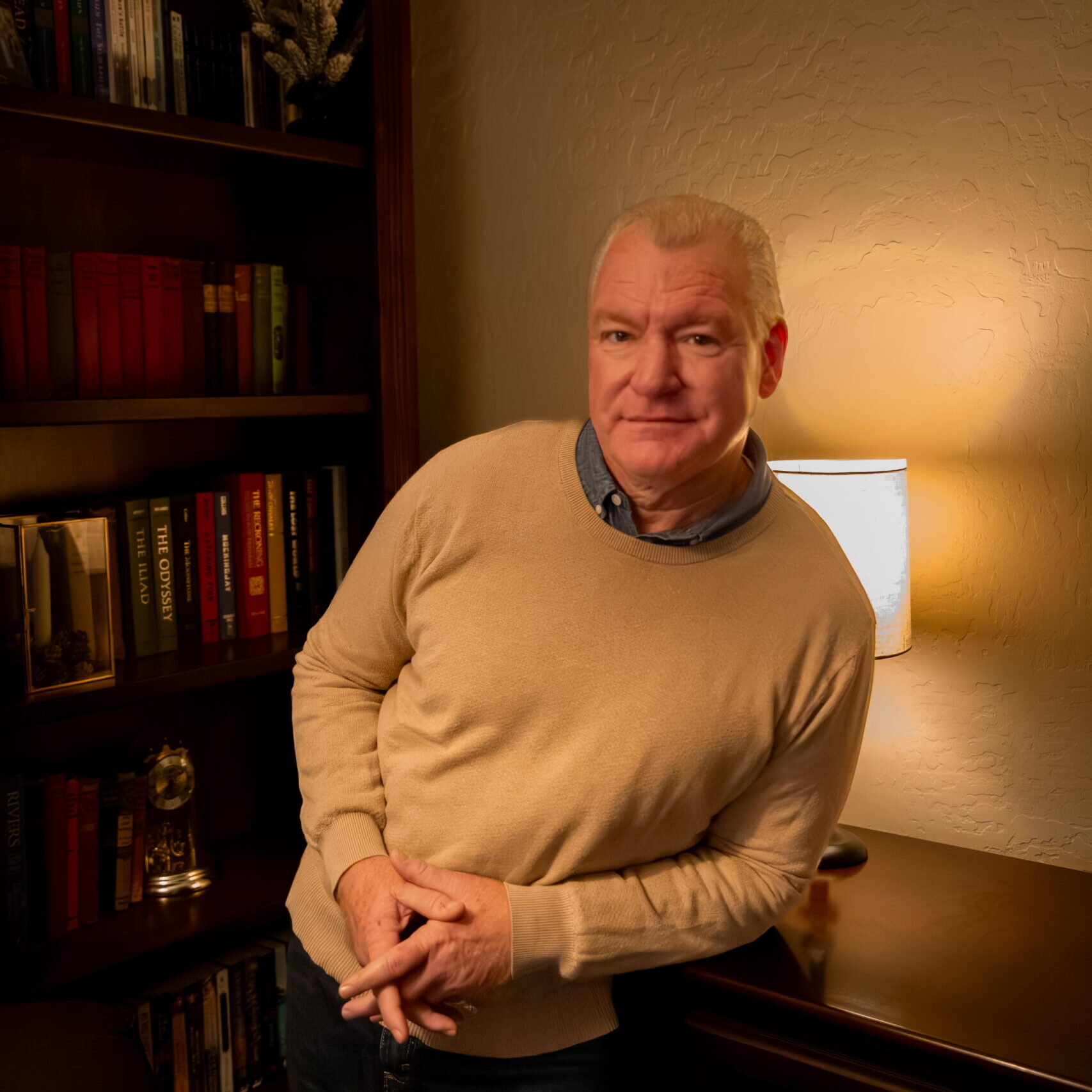

Rob Johnson
Yellow Line Art

”Seek first the kingdom of God and His righteousness, and all these things shall be added unto you.”

Matthew 6:33

Man looking out at the water

The Book

Man walking down dirt path

The Blog

Cozy Living Room with Fireplace

Get in Touch

Landis Stokum

PMHNP, Redemption Psychiatry, LLC.

“In The Word on OCD, D. Robert Johnson skillfully blends great respect for psychiatric treatment and therapy with keen biblical insight, so that people of faith suffering from OCD can fully incorporate God’s Word into their overall recovery program.” 

Jason Friday

MD, Chief Medical Officer, Redemption Psychiatry, LLC

"The Word on OCD offers a thoughtful and responsible perspective for individuals of faith living with obsessive-compulsive disorder. Johnson does not minimize the biological or psychological realities of OCD, nor does he position faith as a substitute for evidence-based psychiatric care. Instead, he integrates scriptural reflection in a way that complements therapy, medication, and structured treatments, including transcranial magnetic stimulation (TMS)—helping patients align their recovery with deeply held beliefs. For clinicians working with religious patients, this book provides a meaningful framework that can support engagement, adherence, and a more integrated approach to care."

Lightbulb over wood box